
Share via:
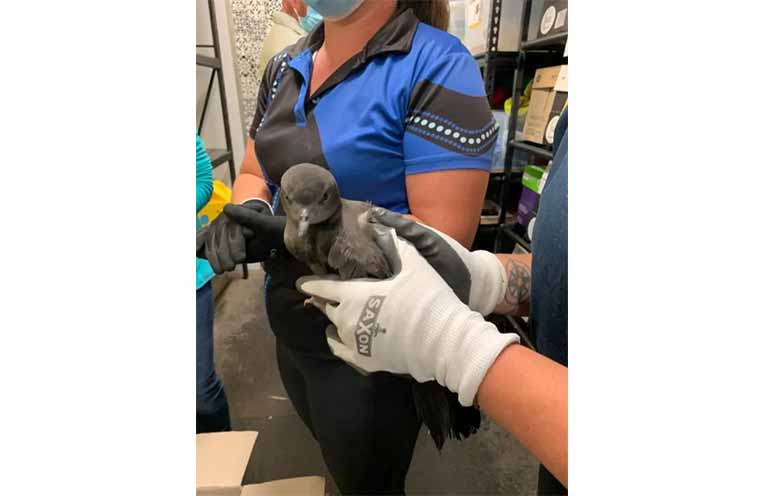
WITH a positive detection of the deadly H5 avian influenza virus confirmed in the area, the Coffs Coast Wildlife Sanctuary (CCWS) has heightened biosecurity and monitoring to protect the animals currently in its care.
“Our major concern is not only the animals at the Sanctuary, but what an outbreak could mean for sick and injured wildlife across the Coffs Coast and greater region,” said Tiga Cross, manager of CCWS.
“Wildlife affected by, or suspected of having, bird flu cannot simply enter normal veterinary facilities, because of the risk of spreading the virus to other animals.”
CCWS is seeking urgent funding to establish a dedicated quarantine, isolation and triage centre where potentially affected birds and other wildlife can be safely assessed, tested and managed away from the Sanctuary’s existing animal population.
The proposed facility would include a wind- and weather-proof isolation structure, separate processing and quarantine areas, PPE and decontamination facilities, and appropriate biosecurity equipment.
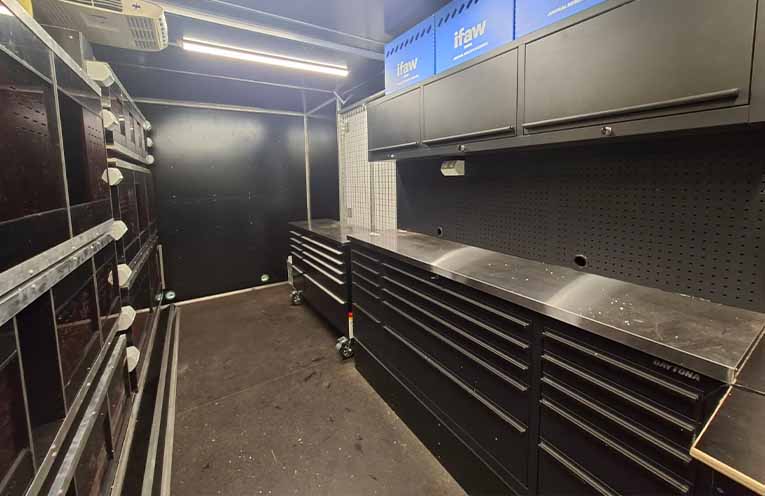
The centre would operate alongside CCWS’s Wildlife Hospital on Wheels, which is designed to provide triage, diagnostics and treatment for injured wildlife not suspected of being affected by bird flu, helping maintain separation between potentially infectious and non-infectious cases.
CCWS also has a dedicated wildlife rescue vehicle with separate air space to help safely transport wildlife while managing biosecurity risks.
The Sanctuary is also seeking funding for veterinary staffing, diagnostics, PPE, medications, rescue and transport – veterinary support alone costs approximately $300 per day.
Ms Cross said CCWS already had the wildlife rescue experience, facilities, equipment and biosecurity procedures to play a significant role in the regional response.
She said funding was needed to expand that capacity before demand escalated.
“Our aim is to prepare before we are overwhelmed,” she said.
“Having a quarantine pathway and a separate mobile wildlife hospital means we can continue helping injured wildlife while safely responding to animals that may be impacted by avian influenza.
“CCWS is calling on government, businesses and the wider community to support the establishment of this emergency wildlife response capability for the Coffs Coast and surrounding region.”
Ms Cross said the Sanctuary’s Wildlife Hospital on Wheels was close to being fully operational, but community support was still needed to get it across the finish line.
“With bushfire season just around the corner, and now the additional threat of bird flu in our region, having this mobile hospital operational has never been more important,” Ms Cross said.
“The hospital will allow CCWS to take veterinary care directly to wildlife emergencies, providing triage, diagnostics, stabilisation and treatment when animals need it most.
“This isn’t equipment for just one emergency.
“These are long-term investments that will help wildlife for years to come, through bushfires, disease outbreaks, marine wildlife emergencies and everyday rescue cases.
“We are nearly there. We just need help to finish it.
“Please donate and help us get our Wildlife Hospital on Wheels ready for the wildlife that will need us this summer.”
You can help your local paper.
Make a small once-off, or (if you can) a regular donation.
We are an independent family owned business and our newspapers are free to collect and our news stories are free online.
Help support us into the future.
Share via: