
Share via:
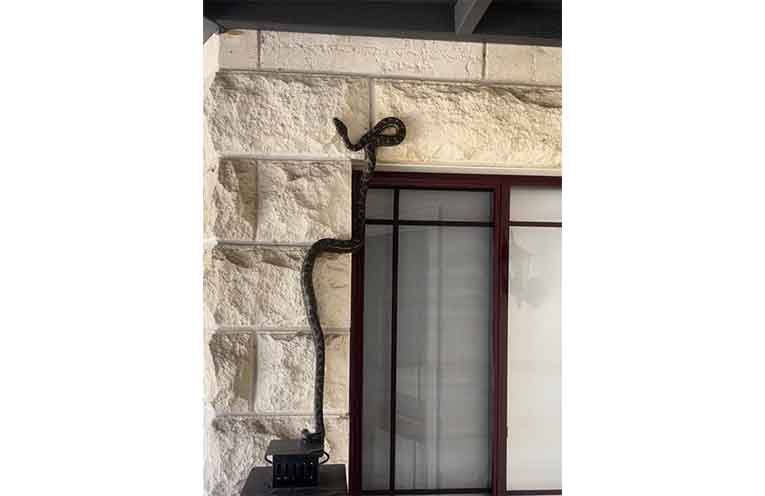
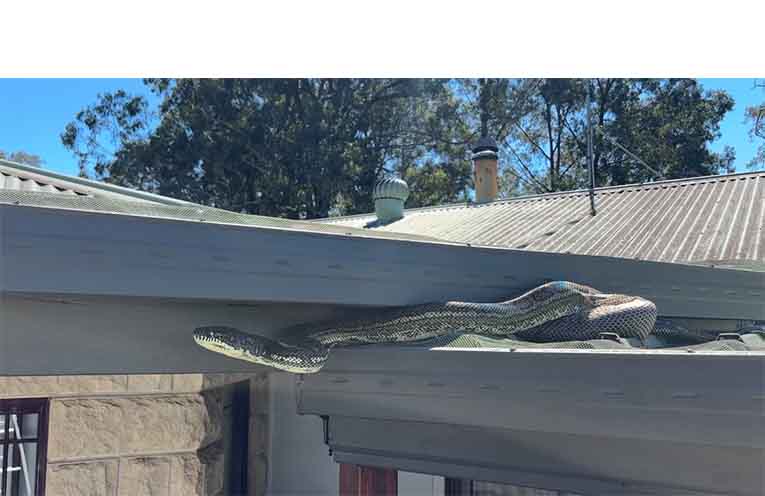
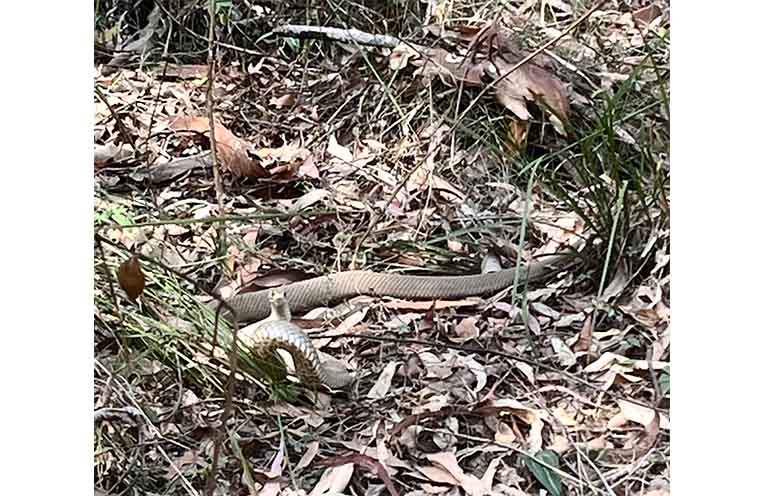
TEMPERATURES into the mid and high 20s across New South Wales, right at the turn of the season, have stirred the region’s snoozing snakes into action and they are seeking their first meals for several months.
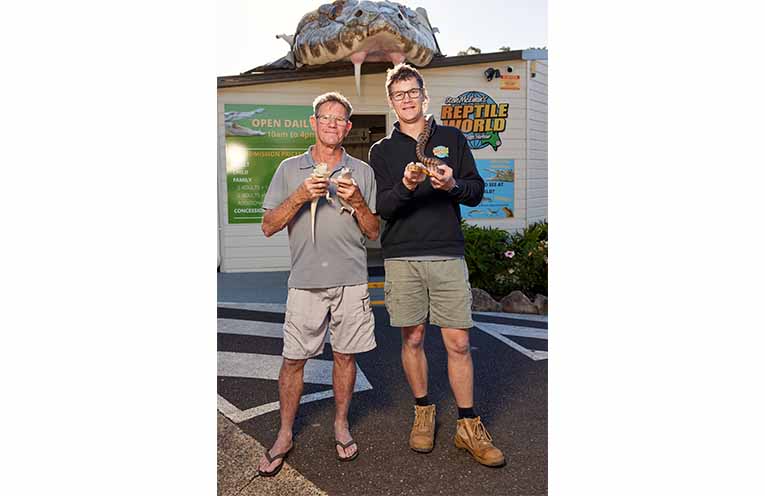
With multiple sightings from residents with gardens and rural properties Reptile World’s Steve McEwan told News Of The Area that seeing more snakes does not necessarily mean there are suddenly more snakes around.
Snakes are a normal part of living on the coast and in the surrounding bushland.
“Warm weather and changes in their activity can simply make them more noticeable,” he said.
“Snakes are an important part of our environment and help keep rodent numbers under control.
“We do not need to be afraid of them, but we do need to respect them.
“They have been living in these areas long before we built our homes here.”
The more people understand about snakes and their behaviour, the easier it is to live alongside them.
They are not out looking for people to bite, and they certainly are not mindless animals constantly looking for something to attack, Mr McEwan said.
Snakes are generally trying to avoid humans and will move away if they have the opportunity.
Most snake bites happen when people try to catch, kill, or handle a snake.
“If you come across a snake, leave it alone and give it plenty of space,” Mr McEwan said.
“Snakes want nothing to do with people and will move away if they have the opportunity.”
A snake that feels threatened may defend itself, especially if it is cornered or someone tries to interfere with it.
“The best thing you can do is give it a clear path to move away,” he said.
Reptile World receives a lot of calls from people worried that a snake around their property might be a danger to them or their pets but, armed with the expert advice given, they are generally happy to leave the snake be.
“In many cases, leaving the snake alone and letting it move on naturally is the safest option for everyone,” Mr McEwan said.
“The best thing people can do is be aware of their surroundings, wear enclosed footwear and long pants when walking through bushland or overgrown scrub, and avoid putting their hands or feet where they cannot see clearly.”
Taking a little extra care around our properties near overgrown shrubs, wood piles, sheds, and other areas where snakes may shelter can make a big difference.
Being aware includes knowing what to do if someone is bitten.
Reptile World’s directive is to call 000 straight away.
Keep the person calm, keep them still and apply a pressure immobilisation bandage.
The less movement, the better, as movement will cause the venom to spread through the body more quickly.
“Do not waste time or risk another bite by trying to identify or catch the snake,” Mr McEwan said.
“Do not cut the bite, apply a tourniquet, or try to suck out the venom.
“Even if symptoms seem mild, every suspected snake bite should be treated as a medical emergency and assessed by medical professionals.”
For more than 20 years, Reptile World has been delivering reptile education programs to schools, hospitals, childcare centres, and community groups across NSW.
Their aim is to help people better understand reptiles, learn how to stay safe around them, and appreciate the important role they play in our environment.
A big part of what they do is show people that reptiles are not something they need to be frightened of.
“Once people understand how they behave, they generally have a much better appreciation for them and the role they play in our environment,” Mr McEwan said.
By Andrea FERRARI
You can help your local paper.
Make a small once-off, or (if you can) a regular donation.
We are an independent family owned business and our newspapers are free to collect and our news stories are free online.
Help support us into the future.
Share via: